
Content
Withdrawal symptoms are a key reason why it’s hard to quit addictive substances. A glass of regular beer has about 150 calories, and a serving of wine has about 120. On top of those mostly empty calories, alcohol ramps up your appetite. It also makes you more impulsive, and less able to resist the fries and other temptations on the menu. So when you stay away from alcohol, the number on your scale may well start moving down.
- For individuals with severe alcohol dependence, however, withdrawal symptoms can be more severe and may require medical attention.
- The Grumman G-44 Widgeon sea plane was leaving Nantucket Island in Massachusetts with only Buffett on board when it flipped after hitting a wave.
- But anything more than a drink or so a day has the opposite effect, especially if you abuse or are addicted to alcohol.
Maybe you’re worried that people will judge you for struggling with drinking. Or maybe you’re worried that they’ll judge you for wanting to quit. The sudden lack of alcohol in your system can send your body into withdrawal, resulting in various symptoms. A doctor can assess whether your body can safely manage the withdrawal process or if you’ll need medical monitoring and assistance. If you’re hosting a social event, it’s important to provide nonalcoholic options for people who might not want to drink, he adds. Fiellin says keeping a journal of your drinking habits can help to reinforce how you stick to your limits.
Mayo Clinic Q and A: Is daily drinking problem drinking?
Women for Sobriety (WFS) offers substance use recovery programs designed specifically for people who identify as women. In addition to healthy lifestyle changes, group meetings focus on developing the motivation to change. Members learn how beliefs keep them stuck and emotions trigger them to use alcohol or substances. Finding pleasure in other activities is one cornerstone of the program. SMART support group meetings are available worldwide and focus on self-empowerment and making healthy lifestyle changes. They are designed to help you learn ways to change your approach to life so that you don’t need addictive behaviors to cope.
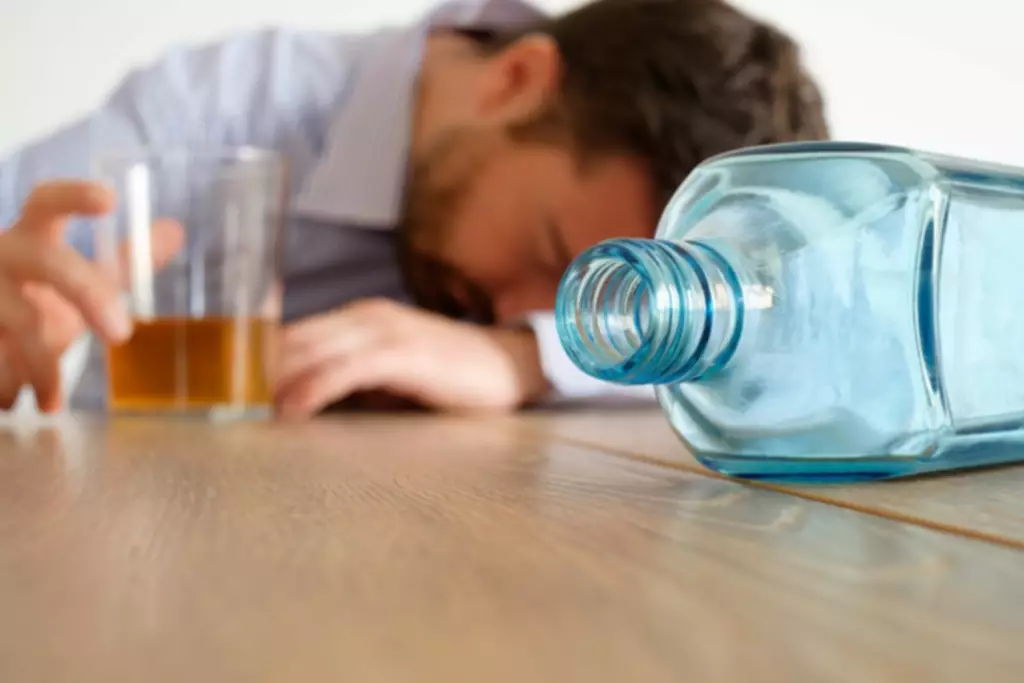
Once you’ve cut back on your drinking (so you’re at or below the recommended guidelines), examine your drinking habits regularly to see if you’re maintaining this level of drinking. Some people attain their goal only to find that old habits crop up again later. Exploring, in writing, what you find difficult and when you most want to drink can help you notice patterns that offer more insight into your alcohol use. Comparing the emotions that come up when you have a drink with the feelings you experience when abstaining also helps you recognize when drinking doesn’t fix the problems you’re trying to manage.
Complicated Withdrawal
Though it can be hard to stop drinking soda, even if you know it’s bad for you, there are several steps you can take to cut back on soda and take back your health. Though diet soda is low in sugar and calories, it provides no nutritional value and can harm your teeth. Observational studies have also linked it to various health conditions. On top of this, current research is conflicting on whether diet soda intake is linked to disorders like kidney disease, type 2 diabetes, and heart disease (27, 28, 29, 30).
- Find activities that are mentally and emotionally nourishing and bring you joy, and identify ways to connect socially with friends, says Witkiewitz.
- But if you’re committed to sobriety, it’s possible to achieve your goal.
- Going through a programme like this can help you to develop insight and awareness into the reasons why you drink every night and help you to develop strategies to support your long term recovery.
- So how does an evening night cap or celebratory weekend impact your gut health and gastrointestinal (GI) system as a whole?
One 12-ounce can of beer contains about 5% alcohol, and a standard glass of sherry is 3 to 4 ounces and contains about 17% alcohol, according to the NIAAA. If you identify with any of the scenarios above, try the expert tips below for reducing your alcohol consumption how to stop drinking at home (or even eliminating it altogether). To determine whether—and where—you fall in the alcohol use disorder (AUD) spectrum, answer the following questions. Whether you want to cut back on your alcohol intake or give it up all together, we’re here to help with that goal.
Factors That Influence Withdrawal
Research shows that most people believe that drinking can make them feel better. However, when alcohol makes up part of your typical routine, drinking can become something of an automatic https://ecosoberhouse.com/article/how-to-stop-drinking/ response, especially when you feel stressed or overwhelmed. Turner notes the importance of bringing along a trusted support person when attending events that involve alcohol.
In general, AA operates with the understanding that members work toward the greater good of the group, as well as spread the message to others who may need help. Inpatient and outpatient treatment facilities are another effective place to surround yourself with people who will walk you through detox and recovery with no judgment. Put a sticky note in places where you know you’ll need that extra reminder. Set a daily message alert on your phone for moments when you know you’ll crave a drink the most.
How alcohol misuse is treated depends on how much alcohol a person is drinking. If someone loses control over their drinking and has an excessive desire to drink, it’s known as dependent drinking (alcoholism). People who binge drink (drink heavily over a short period of time) are more likely to behave recklessly and are at greater risk of being in an accident. The risk to your health is increased by drinking any amount of alcohol on a regular basis. The following is a general guideline of what you can expect from the alcohol withdrawal process.
Personally, as a registered dietitian, I make even more moderate recommendations on a weekly basis, suggesting roughly three drinks or less per week for both men and women. However, enjoying more than that every once in a while for special occasions is absolutely fine. Drinking excessive amounts may lead to tooth decay, weight gain, and chronic diseases, such as heart disease or type 2 diabetes. Several factors play a role in determining how an addiction develops, including your personal and family history, as well as your brain chemistry (16). Additionally, frequent energy drink consumption may cause weight gain.
The first day is always the hardest, but it’s also an important milestone. After 24 hours without alcohol, your body will start to detoxify and you may experience withdrawal symptoms. There are many resources available for anyone who is ready to stop drinking for good, or who wants to reduce the harm alcohol is causing in their life by cutting down.